“Eco-friendly.” “Sustainable.” “Green.” If you’ve browsed kitchen accessories lately, you’ve likely seen these words slapped on everything from dishcloths to spatulas. But not all of them are telling the full truth. In fact, many “green” products are more marketing than meaningful.
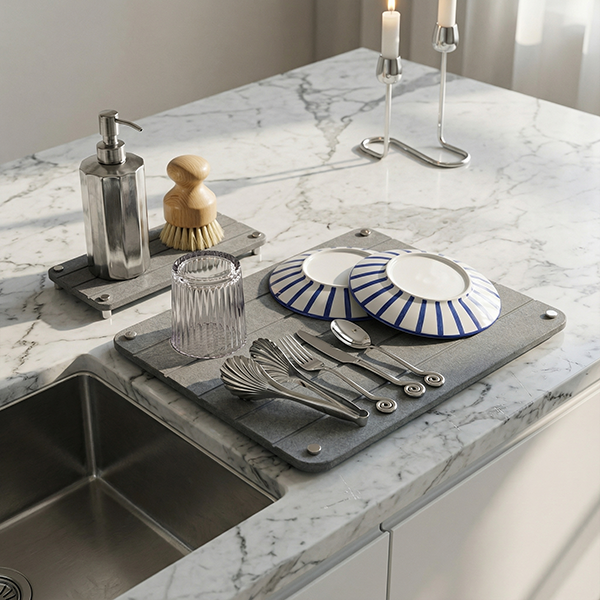
In this post, we’re cutting through the compostable clutter to help you tell the difference between truly sustainable kitchen tools and ones that are just…well, greenwashed. Plus, we’ll share how materials like diatomaceous earth (yep, that’s what our drying mat is made of) stand out as real solutions in an eco-friendly kitchen.
The Rise of "Eco-Friendly" Marketing
As more people embrace sustainable lifestyles, brands have been quick to meet the demand—but not always in honest ways. “Greenwashing” is when a company markets a product as environmentally friendly without actually backing it up with real, sustainable practices.
Today, everything from plastic wraps to dish mats comes with vague labels like “non-toxic,” “biodegradable,” or “eco-safe.” But unless there’s transparency and accountability behind those claims, they may not mean much. In fact, some “eco” options still use synthetic materials, excessive energy in production, or simply shift the environmental burden elsewhere.
Bottom line: not everything labeled green is actually good for the planet.
How to Spot Greenwashing in Kitchen Products
So how do you know if that bamboo spoon or silicone mat is truly eco-friendly—or just marketing fluff? Here are some telltale signs of greenwashing to watch for:
- Vague language: Words like “eco,” “natural,” or “planet-friendly” with no certifications or explanation
- Lack of transparency: No info about sourcing, material origin, or how the product was made
- Too good to be true: “100% compostable” plastic that doesn’t break down at home or only in industrial conditions
- Trendy materials with unclear lifecycles: Bioplastics, synthetic blends, or “green” coatings that can’t be recycled
A truly sustainable kitchen product will have clear labeling, real material benefits, and minimal environmental trade-offs—not just a trendy aesthetic and a green sticker.
What Truly Makes a Kitchen Product Sustainable
True sustainability goes deeper than marketing claims. Here’s what to look for:
- Long-lasting materials: Stainless steel, cast iron, glass, ceramic, and diatomaceous earth stand up to daily use.
- Low-waste lifecycle: Products that can be reused, repaired, recycled, or safely composted.
- Non-toxic composition: Free of PFAS, BPA, phthalates, and synthetic glues or finishes.
- Energy-efficient use: Tools that don’t require excess washing, electricity, or water to maintain.
When a product checks most of these boxes, you’re looking at something that’s actually sustainable—not just “sustainable looking.”
Common Greenwashed Kitchen Accessories to Watch Out For
Here are a few of the biggest offenders:
- Silicone “eco” mats: While heat-resistant, silicone isn’t biodegradable and rarely recyclable.
- Bamboo utensils: Often bound with synthetic glues or sealed with plastic-based finishes.
- Compostable plastics: Typically need industrial composting—not viable in home environments.
These items may feel like upgrades, but they often fall short in actual environmental impact.
Meet the Real Heroes: Materials That Actually Work
Let’s give credit where credit is due. These materials have proven staying power:
- Stainless steel & glass: Long-lasting, non-toxic, and recyclable almost anywhere.
- Ceramic & cast iron: Durable, versatile, and naturally inert.
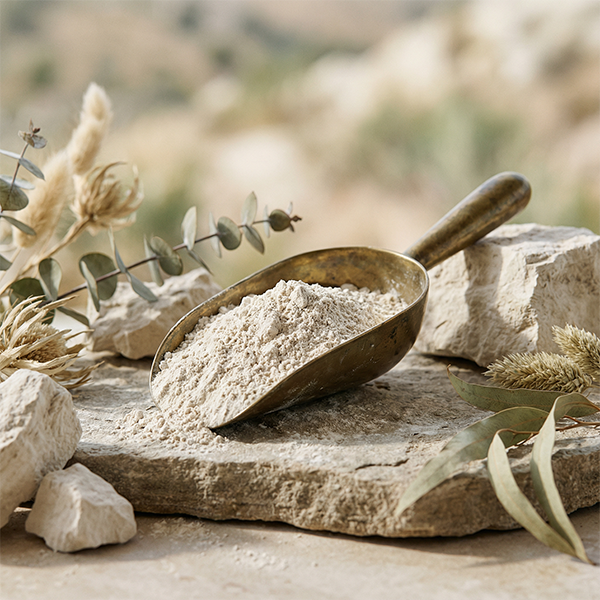
- Diatomaceous earth: A naturally occurring material made from fossilized algae. It’s ultra-porous, quick-drying, antibacterial, and requires no chemicals to stay clean. Perfect for kitchen use, especially in a diatomite kitchen mat.
Why We Chose Diatomaceous Earth for Our Mat
We built our diatomite mat to check all the boxes:
- Naturally antibacterial & anti-mold
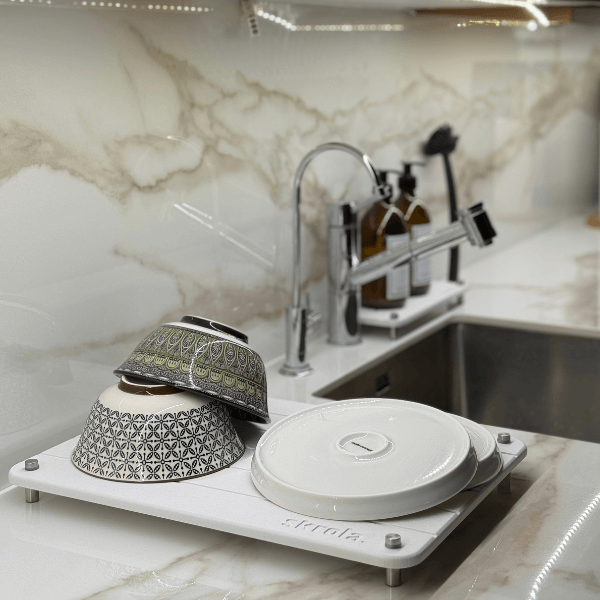
- Raised design with stainless steel legs improves airflow (and stainless steel is fully recyclable)
- No plastic, coatings, or toxic adhesives
- Quick-drying and low-maintenance—no laundering required
- Long-lasting & durable with a minimal environmental footprint
It’s designed to be a genuinely eco friendly kitchen tool that solves a real problem: moldy, soggy dish mats.
The Danger of "Eco Guilt" and Overbuying
Being sustainable doesn’t mean replacing everything you own. Buying “green” stuff you don’t need—just because it’s labeled eco—is still overconsumption.
Real sustainability means buying less, choosing better, and investing in products that truly last.
5 Questions to Ask Before Buying Any “Eco” Kitchen Product
- What is it made of—and is that material truly sustainable?
- Is it built to last or will I need to replace it soon?
- Does it require extra water, energy, or chemicals to keep clean?
- Can it be recycled, composted, or passed down?
- Is the brand transparent about how and where it’s made?
Other Truly Sustainable Kitchen Swaps
- Replace paper towels with reusable cloths
- Switch to glass or stainless containers instead of plastic wrap
- Use refillable cleaning and soap dispensers
These small steps add up—especially when you combine them with quality tools like a diatomite kitchen mat.
Final Thoughts: A Better Kitchen Starts with Better Tools
In a sea of “eco” claims, it’s easy to get misled. But with a little scrutiny, you can spot the difference between greenwashed gimmicks and genuinely sustainable tools.
Look for materials that are natural, low-impact, durable, and toxin-free—and choose products that solve real problems without creating new ones.
Our diatomite mat is just one smart swap to get started. Cleaner counters, less mold, and fewer synthetic mats headed to the landfill? That’s sustainability you can feel good about.